Root Canal Treatment in Sonipat
Root canal treatment in Sonipat, done right. Mukhija Dental Clinic offers precise, comfortable RCT with transparent cost guidance.
+91-9811026060Book Your Visit
Fill out the form below and we will contact you immediately.
Why Choose Us
Why Choose Our Root Canal Treatment
At Mukhija Dental & Implant Centre, we combine specialist expertise, modern technology, and a patient-first approach for every root canal treatment case.
- ✓
Comprehensive care under one roof
From routine cleanings to complex maxillofacial surgery — all handled here.
- ✓
Technology that actually matters
Digital X-rays, microscopic dentistry, and ultrasonic cleaning for precise care.
- ✓
Accessibility first
Wheelchair-accessible parking and facilities for every patient.
- ✓
Family dentist for all ages
From toddlers to grandparents — care for every generation.
Treatments
Root Canal Treatment Treatments We Offer
Explore the range of procedures available under this specialty at our Model Town, Sonipat clinic.
Single Sitting RCT
Complete root canal in one comfortable visit.
Re-RCT
Retreatment of previously treated root canals.
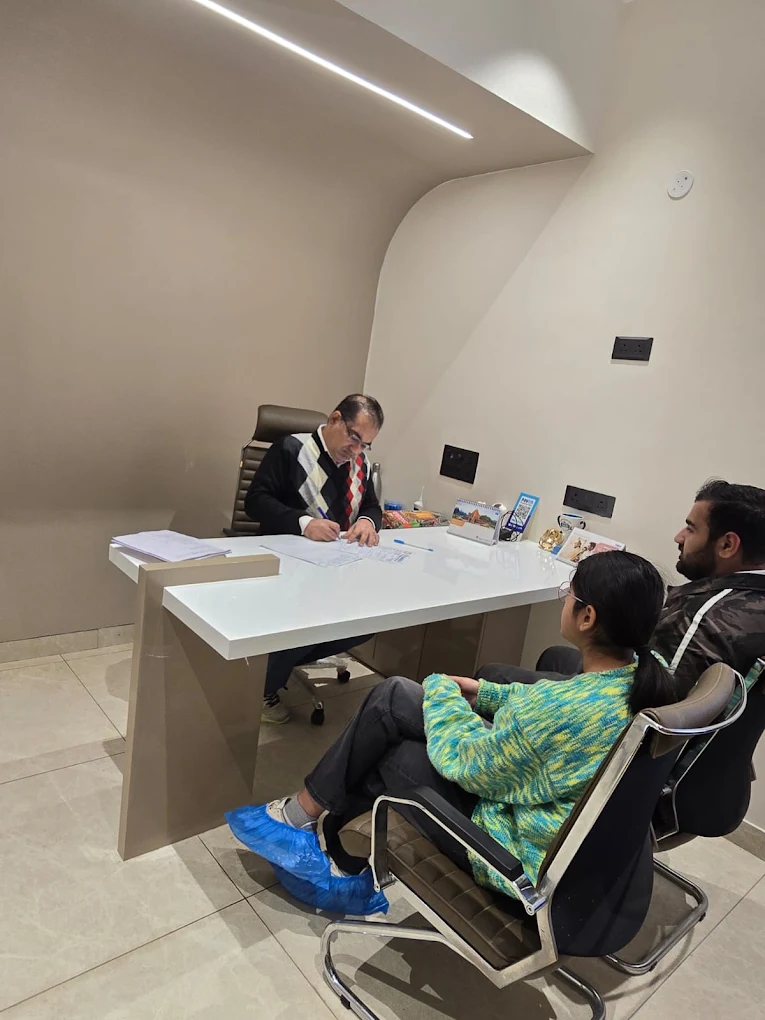
Microscopic RCT
Precision treatment under dental microscope.
Cases
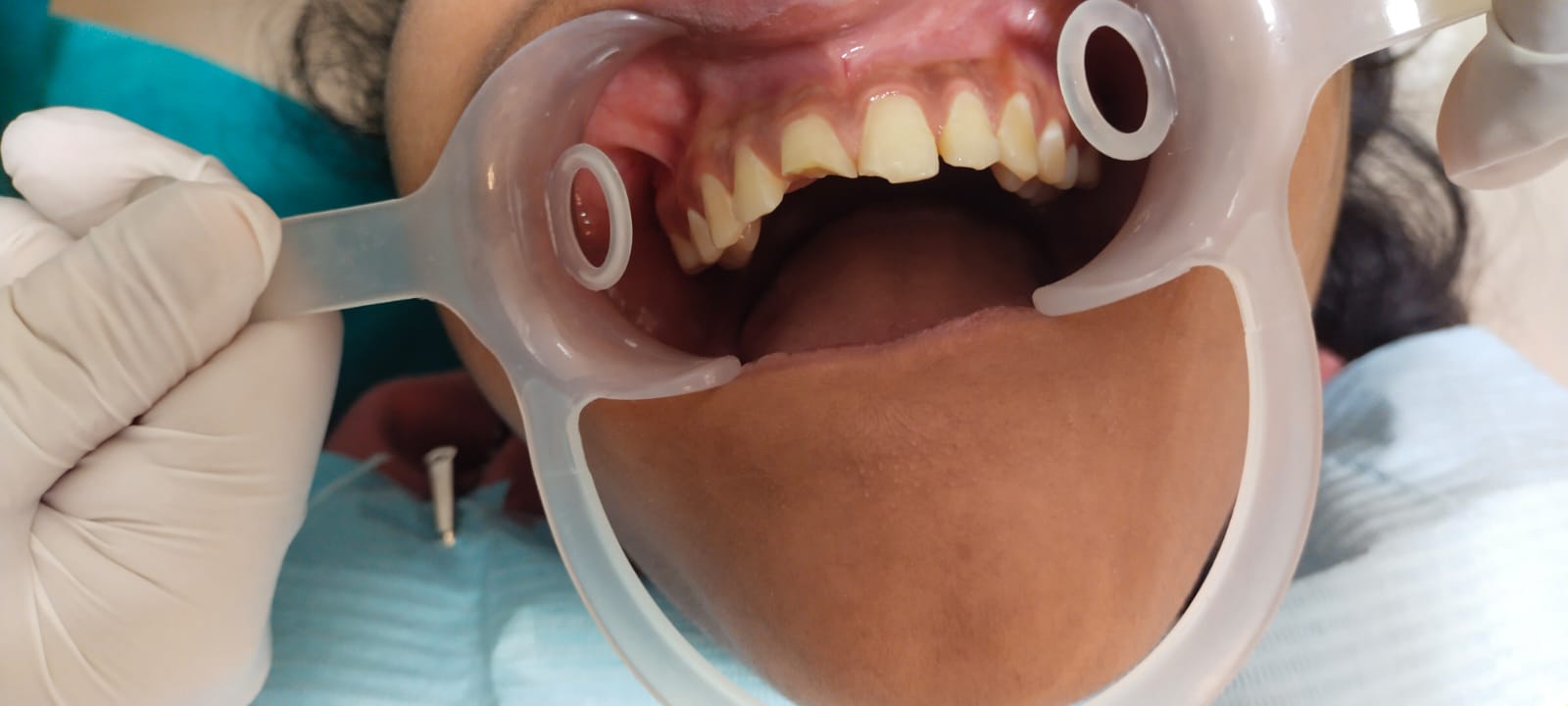
Service Cases
Real treatment outcomes from patients who trusted Mukhija Dental & Implant Centre.
See Our Clinic
Advanced Dental Care in Sonipat
Watch a tour of our clinic and see the technology behind our treatments.
Reviews
Our Google Reviews
What our patients say about their experience at Mukhija Dental Clinic.
"I had a wonderful experience with the entire team — everyone was kind, thoughtful, and attentive. Dr. Mukhija and the staff made my implant procedure stress-free!"
Priya Sharma
Sonipat
FAQ
Frequently Asked Questions
Is Mukhija Dental suitable for children?▾
Yes. We offer dedicated kids' dentistry designed to make young patients comfortable, from their very first checkup onward.
Do you handle dental emergencies?▾
We treat urgent issues including severe toothaches, bleeding gums, and trauma-related dental injuries. Call ahead so our team can prepare for your visit.
Is the clinic wheelchair accessible?▾
Yes, we offer wheelchair-accessible parking and facilities to make sure care is comfortable for every patient.
Which areas do you serve?▾
We regularly treat patients from Sonepat, Murthal, Kundli, Sector 12, Sector 14, Sector 15, Sector 35, and Omaxe City.
Do I need a referral for implants or surgery?▾
No. Our in-house team handles consultations, imaging, and treatment planning for implants and maxillofacial surgery directly.
Find Us
Visit Our Clinic
Mukhija Dental & Implant Centre, Model Town, Sonepat — easy to reach from across Sonipat, Murthal, and Kundli.
Root Canal Treatment in Sonipat — Clearing Up What RCT Actually Involves
Say the words "root canal" to almost anyone, and you'll usually get a slight wince in response. It's probably the most feared phrase in dentistry, and honestly, the reputation is outdated. At Mukhija Dental & Implant Centre in Model Town, Sonepat, root canal treatment is one of the procedures we perform most often, and one of the ones patients are most consistently surprised by — in a good way — once it's actually done.
If you're dealing with persistent tooth pain and searching for root canal treatment in Sonipat, or you've already been told you need RCT and want to understand what it actually involves, here's a straightforward breakdown.
What Is a Root Canal, Really?
Inside every tooth, beneath the hard enamel and dentin, sits a soft core called the pulp — a mix of nerves, blood vessels, and connective tissue. When that pulp becomes infected or inflamed, usually due to deep decay, a crack, or repeated dental procedures on the same tooth, it can cause significant pain and, if untreated, lead to a serious infection or abscess.
Root canal treatment removes this infected or inflamed pulp tissue, cleans and disinfects the inner chamber of the tooth, and then seals it to prevent further infection. Contrary to what a lot of people assume, the procedure isn't what causes the pain — it's what relieves it. The infection is the source of the discomfort; the treatment is what makes it stop.
Signs You Might Need a Root Canal
We generally recommend getting checked if you notice:
Persistent, throbbing tooth pain, especially one that worsens when lying down
Sharp sensitivity to hot or cold that lingers well after the stimulus is gone
Pain when biting or chewing on a specific tooth
Swelling or tenderness in the gum near a specific tooth
Darkening or discoloration of a single tooth
A recurring pimple-like bump on the gum, which can indicate a draining abscess
Some patients don't experience obvious pain at all, particularly in cases where the nerve has died completely — in these cases, we often catch the issue through routine dental X-rays during a checkup, before the patient even realizes there's a problem.
Why the "Painful Root Canal" Reputation Doesn't Hold Up Anymore
A lot of the fear around RCT comes from outdated experiences, decades-old techniques, or secondhand stories that got exaggerated somewhere along the way. Modern root canal treatment, done with proper anesthesia and current technique, is genuinely comparable to getting a filling in terms of discomfort during the procedure itself.
What we hear most often from patients afterward isn't "that was terrible" — it's some version of "that's it?" The actual infection causing the pain beforehand is usually far more uncomfortable than the treatment that resolves it. Once the procedure is done, most patients feel noticeably better within a day or two, once the temporary post-procedure sensitivity settles.
The Root Canal Procedure — Step by Step
Understanding what actually happens tends to ease a lot of the anxiety, so here's the general process:
Diagnosis and imaging. We use dental X-rays to assess the extent of infection and understand the tooth's root structure before starting.
Anesthesia. The area is fully numbed with local anesthesia, so you shouldn't feel pain during the procedure.
Accessing the pulp chamber. A small opening is made in the top of the tooth to reach the infected pulp tissue.
Cleaning and shaping. The infected pulp is carefully removed, and the inner canals of the tooth are cleaned, disinfected, and shaped to prepare for filling.
Filling and sealing. The cleaned canals are filled with a biocompatible material to prevent future infection, and the access opening is sealed.
Crown placement. In most cases, a tooth that's undergone RCT needs a crown afterward, since the procedure can leave it more brittle and prone to fracture without that added protection.
For particularly precise cases, we use microscopic dentistry techniques during treatment, which allows for a level of accuracy in cleaning and sealing the canals that isn't achievable with the naked eye alone — particularly valuable in teeth with complex or narrow root canal structures.
Single Sitting RCT — Is It Right for Your Case?
One of the more common questions we get is whether root canal treatment can be completed in a single visit. The honest answer: sometimes, yes. Single sitting RCT is possible for many straightforward cases, particularly where there's no significant active infection or abscess complicating the cleaning process. It cuts down on the number of visits needed and gets you to the relief stage faster.
That said, not every case is suited for it. If there's significant infection present, we sometimes need to place a medicated dressing inside the tooth for a period before sealing it permanently, to make sure the infection is fully under control first. Rushing this step in a case that genuinely needs more time can compromise the long-term success of the treatment. We assess this on a case-by-case basis during your initial exam and imaging, and we'll tell you honestly whether your case is a good candidate for single sitting treatment or whether a staged approach will serve you better long-term.
Root Canal Cost in Sonipat — What Actually Affects the Price
RCT cost isn't uniform across every case, and a few factors typically influence the final price:
Which tooth is affected — molars have more root canals than front teeth, which generally makes treatment more involved and priced accordingly
Complexity of the root canal structure — some teeth have curved or unusually shaped canals that require more careful, time-intensive cleaning
Number of visits needed — single sitting RCT versus a staged approach with a medicated interim visit affects overall cost
Crown placement afterward — since most treated teeth need a crown, this is typically a separate cost from the root canal procedure itself
Imaging required — X-rays for diagnosis and confirming successful treatment are part of an accurate, complete process
Root Canal Cost in India — Why It's a Smart Long-Term Investment
Compared to many countries, root canal treatment in India tends to be significantly more affordable without a drop in quality of care at a properly equipped clinic. That said, cost shouldn't be the only factor when choosing where to get RCT done — precision genuinely matters here. A poorly cleaned or sealed canal can lead to reinfection, sometimes requiring retreatment or, in worse cases, extraction of a tooth that could have been saved with a more thorough initial procedure.
We give patients a clear cost estimate after examination and imaging, covering both the root canal itself and the follow-up crown, so there's no confusion about the full scope of treatment and cost upfront.
What Happens If You Delay Treatment
Untreated tooth infections don't resolve on their own, and delaying RCT when it's genuinely needed tends to make things worse, not better. The infection can spread beyond the tooth into the surrounding bone, sometimes forming an abscess that requires more urgent, complex treatment. In more severe cases, delay can mean the tooth becomes unsalvageable altogether, requiring extraction and a replacement option like an implant or bridge — a significantly more involved and costly path than addressing the infection early with RCT.
Life After Root Canal Treatment
Once treated and properly crowned, a root canal tooth can function normally for many years, often for the rest of your life, with regular dental care. It won't cause the recurring pain you may have been living with beforehand, and with a well-fitted crown, most patients don't notice any functional difference from their other natural teeth.
Why Choose Us for Root Canal Treatment in Sonipat
RCT is a procedure where precision genuinely determines long-term success. We use detailed imaging to understand each tooth's specific root structure before starting, and where the case calls for it, microscopic dentistry to ensure thorough cleaning and sealing. Being a full-service clinic also means your follow-up crown, and any other related care, happens under the same roof, with a team that already understands your case from diagnosis through to completion.
Root Canal Treatment Across Sonipat and Nearby Areas
We regularly treat RCT patients from Sonepat, Murthal, Kundli, Sector 12, Sector 14, Sector 15, Sector 35, and Omaxe City. Our Model Town clinic includes wheelchair-accessible parking and facilities, making treatment visits easy to manage.
Dealing With Tooth Pain? Don't Wait It Out
If you're experiencing persistent tooth pain, sensitivity that lingers, or swelling near a specific tooth, it's worth getting it checked rather than hoping it resolves on its own. Root canal treatment, done properly, is far less intimidating than its reputation suggests, and it's often the difference between saving a tooth and eventually losing it.
If you've been searching for root canal treatment in Sonipat or want clarity on root canal cost in India, we're happy to give you a straightforward assessment. Visit Mukhija Dental & Implant Centre in Model Town, Sonepat, and let's get that pain resolved properly.